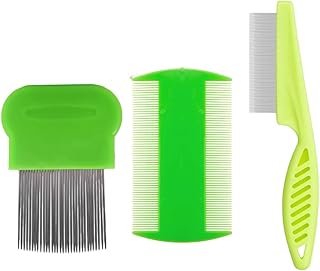
comparing natural versus chemical solutions for lice removal
Lice infestations can be a distressing experience for families, particularly for children. The need for effective lice removal products has led to the development of various solutions, primarily categorised as either natural or chemical. In this article, we will explore the benefits and drawbacks of both types of treatments, providing practical advice to help you make an informed decision in 2026.
Understanding Lice and Nits
Lice are tiny parasitic insects that thrive on the human scalp, feeding on blood. Nits, the eggs laid by lice, are often mistaken for dandruff but are firmly attached to the hair shafts. Both require effective treatment to eliminate the problem. A deep understanding of these pests is essential in choosing the right removal strategy.
Natural Lice Removal Solutions
Natural solutions for lice removal have gained popularity due to their perceived safety and fewer side effects. These often include essential oils, such as tea tree oil, lavender oil, and neem oil, which are believed to repel lice. Additionally, vinegar and coconut oil are commonly used as they can help loosen nits and suffocate lice.
When considering natural treatments, it is essential to note that they may take longer to show results compared to chemical options. This delay can be attributed to the need for regular application and thorough combing to remove nits effectively. For example, using a mixture of coconut oil and essential oils might require daily applications over a week, along with meticulous combing with a fine-toothed nit comb.
People Also Look For:
- 3-Pack Stainless Steel Lice Combs – Nit and Lice Removal, Durable and Reusable, Safe for All Hair Types, Gentle on Scalp, I...
- Lice Comb, 3 Pcs Lice Combs, Double Sided Lice Combs, Stainless Steel Tooth Comb, Lice Removal Combs
- Nit Comb, 3Pcs Head Lice Comb, Metal Teeth Nit Combs for Long Thick Hair Double Sided Plastic Hair Comb Flea Lice Combs Lice Remov...
- Haveble Complete Nit Comb Kit-Power of 6-Removes all Headlice Nits Ticks Fleas Eggs-Lice Removal Hair Combs for Adults Kids Pets-N...
- 3-Pack Stainless Steel Lice Combs – Nit and Lice Removal, Durable and Reusable, Safe for All Hair Types, Gentle on Scalp, I...
The Efficacy of Chemical Solutions
Chemical lice removal products are often more aggressive and can provide quicker results. These products typically contain active ingredients such as permethrin, pyrethrin, or malathion. They work by disrupting the nervous system of lice, leading to their death. Many parents opt for these solutions due to their proven effectiveness and ease of use.
However, the use of chemical treatments comes with potential side effects, including irritation, allergic reactions, or even resistance in lice populations. It is crucial to follow the instructions carefully to minimise any adverse effects. Additionally, some chemical treatments require a second application after a week to ensure that any newly hatched lice are also killed.
Comparative Analysis
When comparing natural and chemical solutions, several factors should be considered:
Effectiveness
In terms of speed and efficacy, chemical solutions generally have the upper hand. However, natural options can be effective, particularly when used consistently and in combination with meticulous combing.
Safety
Natural products are often touted as safer alternatives, especially for young children or individuals with sensitive skin. Nonetheless, it is vital to perform patch tests even with natural ingredients to avoid allergic reactions.
Cost
Natural treatments can sometimes be more economical, especially if you already have some of the ingredients at home. Chemical products, while potentially more expensive upfront, may yield faster results, ultimately saving money on repeated treatments.
Practical Advice for Families
Regardless of the treatment path chosen, effective lice removal requires diligence. Here are some practical tips:
- Comb hair with a fine-toothed nit comb regularly to remove nits and lice.
- Wash all bedding and clothing in hot water to kill any remaining lice.
- Vacuum carpets and upholstery to remove any fallen lice or nits.
- Consider using a combination of treatments for enhanced effectiveness.
By understanding the differences between natural and chemical solutions, families can make better choices based on their unique circumstances and preferences.