strategies for maintaining a licefree environment at home
In 2026, maintaining a licefree environment at home is more crucial than ever, especially as schools and community activities bring children together. Lice can spread quickly, but with the right strategies and products, you can keep your household free from these unwelcome guests. This guide provides practical advice on lice treatment and proactive measures to maintain a clean home.
Understanding Lice and Nits
Before diving into treatment and prevention strategies, it’s essential to understand what lice and nits are. Head lice are tiny insects that live on the scalp, feeding on human blood, while nits are their eggs, which are often found attached to hair strands. Both can cause itching and discomfort, and the presence of either indicates a lice infestation.
Effective Treatment Options
If you discover lice or nits in your household, immediate action is necessary. Over-the-counter treatments, such as shampoos and lotions containing permethrin or pyrethrin, are effective for many people. Ensure you follow the instructions carefully, applying the product to dry hair and ensuring full coverage. It is also advisable to repeat the treatment after 7 to 10 days to kill any newly hatched lice.
People Also Look For:
- Haveble Complete Nit Comb Kit-Power of 6-Removes all Headlice Nits Ticks Fleas Eggs-Lice Removal Hair Combs for Adults Kids Pets-N...
- Lice Comb, 3 Pcs Lice Combs, Double Sided Lice Combs, Stainless Steel Tooth Comb, Lice Removal Combs
- 3-Pack Stainless Steel Lice Combs – Nit and Lice Removal, Durable and Reusable, Safe for All Hair Types, Gentle on Scalp, I...
- FTONOM5 4PCS Lice Comb for Lice Removal Head Lice Combs for Kids Durable Double Sided Nit Detection for Kids Adults and Pets Adult...
- 3-Pack Stainless Steel Lice Combs – Nit and Lice Removal, Durable and Reusable, Safe for All Hair Types, Gentle on Scalp, I...
Combing for Nits
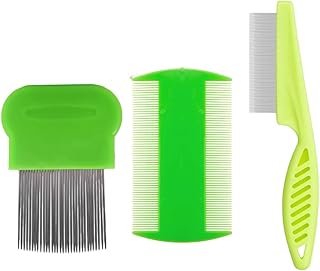
A critical step in lice removal is the use of a fine-toothed nit comb. After treatment, section the hair and carefully comb through from the scalp to the tips, removing nits and lice. Combing should be done every few days for at least two weeks to ensure no lice are left behind. It helps to do this while the hair is damp, as it can make the process easier.
Cleaning Your Home
Alice-free environment extends beyond personal hygiene to your home. Begin by washing all bedding, clothing, and towels used by the infested person in hot water (at least 60 degrees Celsius) and drying them on a high heat setting. For items that cannot be washed, consider sealing them in a plastic bag for at least two weeks to ensure any remaining lice or nits die off.
Vacuuming and Upholstery Care
Vacuuming is another vital step in maintaining a licefree environment. Thoroughly vacuum carpets, rugs, and upholstered furniture to remove any stray lice or nits that may have fallen off. Pay extra attention to areas where the infested person frequently sits or lays down. Remember to dispose of the vacuum bag or empty the canister outside to prevent re-infestation.
Preventing Re-Infestation
Prevention is key to maintaining a licefree home. Educate children about the importance of not sharing personal items such as hats, hairbrushes, and scarves. Regularly inspecting hair for signs of lice or nits, especially after playdates or school events, can help catch infestations early. You may also consider using preventative lice treatment products, such as sprays or shampoos, designed to repel lice.
Regular Household Checks
Incorporate regular checks into your family routine. Schedule hair checks for children every couple of weeks, turning it into a fun family activity. Make it a game to see who can find the most nits – this will keep everyone engaged and make it less of a chore. Spotting any issues early can prevent a larger infestation and save you time and effort in the long run.
Community Awareness
Lastly, keeping open communication with other parents and teachers can foster community-wide awareness. If a case of lice is reported at school, be proactive and check your children immediately. Sharing information with others can help everyone take the necessary precautions, ultimately creating a healthier environment for all.